

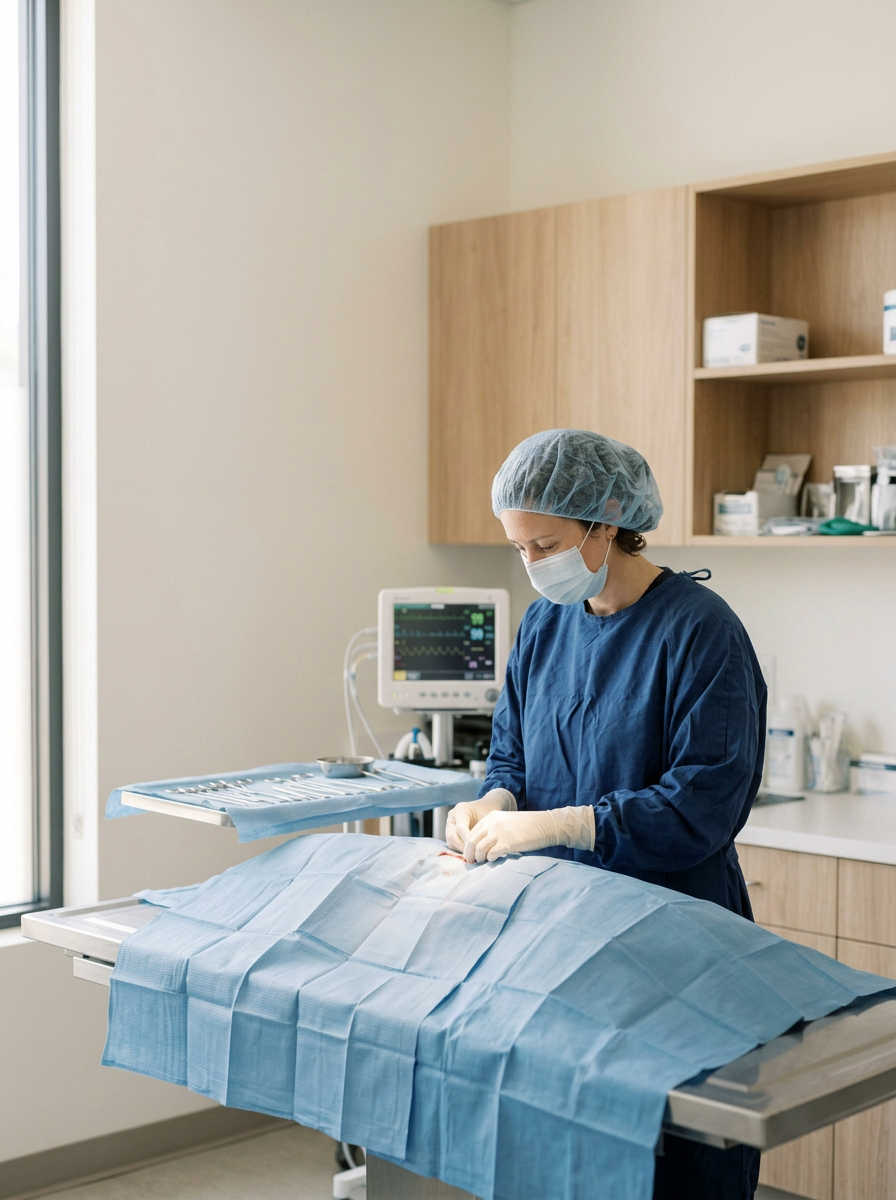
Surgery
Veterinary surgery is the branch of veterinary medicine that uses operative techniques to diagnose, treat, and manage injuries, diseases, and congenital conditions in animals. It includes routine procedures (spay/neuter, mass removals), emergency surgery (trauma, internal bleeding), soft-tissue surgery (abdominal, thoracic, wound repair), and orthopedic surgery (fracture repair, cruciate ligament repair such as TPLO). Preoperative evaluation (physical exam, bloodwork, imaging) assesses risk and plans anesthesia. Intraoperative care involves sterile technique, appropriate anesthesia and monitoring, and skilled surgical technique. Postoperative care focuses on pain management, infection prevention, wound care, activity restriction, and follow-up evaluations. The goals are to restore function, relieve pain, and improve or preserve quality of life.
-
Soft tissue surgery refers to operations on non-bony structures of the body—skin, muscles, tendons, ligaments, fat, and internal organs such as the bladder, intestines, liver, and spleen. In veterinary medicine, common soft tissue procedures include mass removals, wound repairs, foreign body removals, spays and neuters, bladder stone surgery, and emergency abdominal operations. These surgeries can range from routine elective procedures to urgent or complex interventions and often require careful anesthesia, sterile technique, and postoperative pain control and monitoring to promote recovery and prevent complications.
-
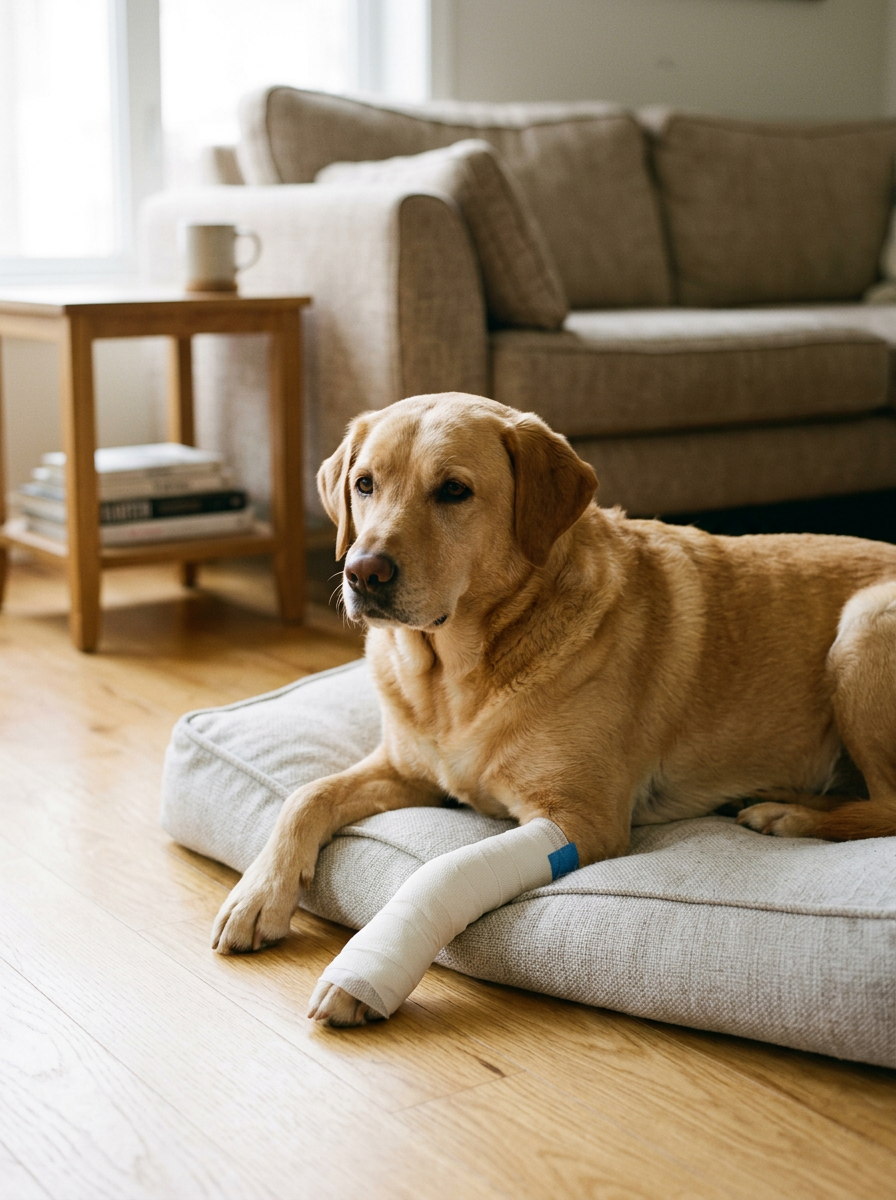
Veterinary orthopedic surgery focuses on diagnosing and treating injuries and diseases of the musculoskeletal system in animals — bones, joints, ligaments, tendons, and muscles. Common problems addressed include fractures, cranial cruciate ligament (CCL) tears (treated with procedures like TPLO), luxating patellas, angular limb deformities, joint instability, and osteoarthritis. Surgeons use medical imaging (X-rays, CT, sometimes MRI) to plan care and perform procedures ranging from fixation of fractures with plates and pins to joint stabilization, corrective osteotomies, and arthroscopy for minimally invasive joint repair. Postoperative pain management, rehabilitation (physical therapy, hydrotherapy), and long-term management are important for recovery and restoring mobility.