


Vaccination
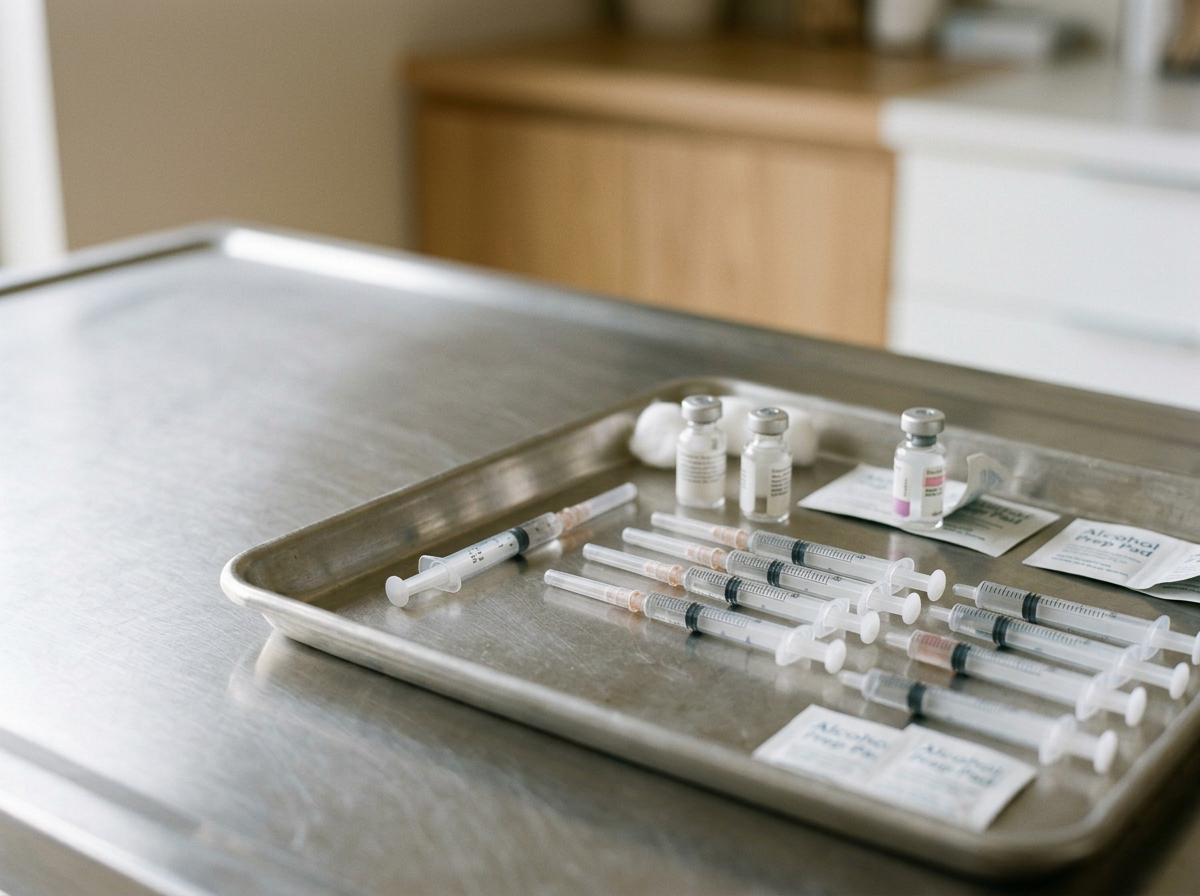
-
AVMA and AAHA recommend core vaccines for pets because these vaccines protect against common, serious, and contagious diseases that pose significant risk to individual animals and to animal and human populations.
Dog
Rabies: Protects against rabies virus, a fatal disease transmissible to humans. Legally required in most areas. Administered as a single or combo vaccine; adult dogs need revaccination per local law and vaccine type (typically 1–3 years).
Distemper/Parvovirus/Adenovirus (DA2PP or DHPP): These combination vaccines protect against canine distemper, parvovirus (severe, often fatal intestinal disease), and adenovirus (hepatitis). Core for all dogs; initial puppy series followed by boosters.
Leptospirosis (often included separately or as part of a combo): Protects against bacterial Leptospira species that can cause severe kidney and liver disease and can infect humans. Recommended where exposure risk exists (wet environments, wildlife contact).
Cat
Rabies: Protects against rabies virus; legally required in many places. Administered as a single or combo vaccine; revaccination schedule varies by vaccine type and law.
FVRCP (Feline Viral Rhinotracheitis/Calicivirus/Panleukopenia): Combination vaccine protecting against feline herpesvirus (rhinotracheitis), calicivirus (upper respiratory disease), and panleukopenia (feline distemper—severe, often fatal). Core for all cats; given as a kitten series with boosters.
Why they recommend core vaccines
Prevent highly contagious, common, or severe diseases: Core vaccines protect against illnesses that are widespread, easily transmitted, or associated with high morbidity and mortality. Examples: canine distemper, parvovirus, rabies; feline panleukopenia, feline herpesvirus, calicivirus, and rabies.
Protect public health: Some core diseases (notably rabies) are zoonotic and pose a serious risk to humans. Vaccination reduces human exposure and is often legally required.
Decrease disease incidence and outbreaks: High vaccination coverage lowers the overall presence of disease in the pet population, reducing outbreaks and protecting unvaccinated or immunocompromised animals through herd protection.
Improve clinical outcomes: Vaccinated animals that do contract disease are generally less severely affected, with lower rates of complications and death.
Cost-effective prevention: Vaccination is typically far less expensive and safer than diagnosing and treating the diseases vaccines prevent.
Meet legal and community requirements: Rabies vaccination is mandated in many jurisdictions; other community or boarding/kenneling requirements often require proof of core vaccines.
Evidence-based standards of care: Organizations like AAHA and AVMA base recommendations on epidemiology, vaccine efficacy, duration of immunity studies, and risk-benefit analyses. Following these standards supports high-quality preventive care.
Protect vulnerable populations: Puppies and kittens, senior pets, and immunocompromised
-
Non-core vaccines for dogs and cats are immunizations recommended only when an individual pet’s risk of exposure justifies the vaccine. They are not necessary for all animals and are chosen based on factors such as lifestyle, geographic location, travel, boarding, hunting or exposure to wildlife, and household risk (other animals or immunocompromised people).
Dogs
Bordetella (kennel cough): Protects against a bacterial/viral respiratory complex common in boarding, daycare, grooming, and dog-show environments. Available as intranasal, oral, or injectable formulations. Often required by kennels.
Lyme disease (Borrelia burgdorferi): Recommended for dogs in regions where ticks carrying Lyme are prevalent, or for dogs with high tick exposure. Typically given as a two-dose initial series, then periodic boosters.
Canine influenza virus (CIV): Recommended for dogs at risk of exposure in high-density dog populations, kennels, or during local outbreaks. Two-dose series with periodic boosters depending on risk.
Cats
Feline leukemia virus (FeLV): Recommended for kittens and for adult cats at risk (outdoor cats or those in contact with FeLV-positive cats). Not necessary for strictly indoor, single-cat households with no exposure risk.
-
After your pet receives vaccinations, brief monitoring helps detect and address any immediate reactions and ensures their comfort. Here’s what to expect and what to do:
What we watch for (first 15–30 minutes)
Mild, common signs: temporary lethargy, decreased appetite, mild fever, soreness at the injection site.
Moderate signs: persistent vomiting, diarrhea, significant swelling at the injection site, or small lumps that grow quickly.
Severe (rare) signs of an allergic reaction: facial swelling (particularly around the eyes or muzzle), hives, difficulty breathing, repeated vomiting, collapse, or severe weakness.
At-home monitoring (first 24–48 hours)
Keep your pet calm and limit vigorous activity for 24 hours.
Check the injection site daily for warmth, redness, or increasing swelling. Small, firm bumps may occur and often resolve over a few days.
Offer food and water normally; if your pet refuses food for more than 24 hours, contact us.
Note any unusual behavior, breathing changes, vomiting, diarrhea, or signs of pain.
When to contact us or seek emergency care
Any breathing difficulty, facial swelling, collapse, repeated vomiting, or severe diarrhea.
Rapidly enlarging lump at the injection site or signs of severe pain.
Symptoms that worsen or do not improve within 24–48 hours.
Immediate steps if you suspect a serious reaction
Call the clinic or your emergency veterinary provider right away and describe symptoms, time since vaccination, and the vaccine given.
If directed, bring your pet in immediately.
Why monitoring matters
Most reactions are mild and resolve on their own, but prompt recognition of uncommon severe reactions allows for timely treatment and better outcomes. If you have questions or concerns after your
-
UC Davis and the American Veterinary Medical Association (AVMA) recommend vaccination protocols for dogs and cats that balance core protection, individualized risk assessment, and minimizing overvaccination.
Dogs
Distemper, Adenovirus (hepatitis), Parvovirus (often combined as DA2P/DA2PP). Puppies begin a series at 6–8 weeks, repeated every 3–4 weeks until at least 16 weeks;
Rabies - A dose of rabies vaccine is typically given at 12–16 weeks per local law. The vaccine is usually given with the last Distemper/Parvo vaccine at 16 weeks of age or older.
Timing and boosters: After the initial puppy series and a 1-year booster, Rabies and Distemper/Parvo vaccines are generally given every 3 years (or per product label and local regulations).
Other vaccines - Bordetella, Leptospirosis, Lyme, and Canine Influenza are given based on lifestyle, geographic risk, and exposure; these may require initial series and more frequent boosters (often annually).
Individualization: UC Davis and AVMA emphasize tailoring protocols to the dog’s age, breed, health status, environment, and exposure risk; titer testing may be used to assess immunity for some core agents.
Cats
Core vaccines: Feline Panleukopenia (FPV), Feline Herpesvirus-1 (FHV-1), Feline Calicivirus (FCV) and Rabies. Kittens start series at ~6–8 weeks, repeated every 3–4 weeks until at least 16 weeks; rabies timing follows product and local law.
Timing and boosters: After the initial series and a 1-year booster, core vaccines are typically administered every 1 or 3 years for FPV/FHV/FCV depending on vaccine product and patient risk; rabies per local law/product (1- or 3-year).
Noncore vaccines: Feline Leukemia Virus (FeLV) is recommended for kittens and for cats with outdoor access or exposure risk; other vaccines (e.g., Chlamydia) are given based on specific risk factors. FeLV often requires an initial two-dose series and annual revaccination for at-risk cats.
Individualization: Protocols should be adjusted by age, indoor/outdoor status, health, and exposure risks.
General principles from UC Davis and AVMA
Focus on core vaccines for population and individual protection; use noncore vaccines selectively based on risk assessment.
Use evidence-based schedules and vaccine labels; avoid routine unnecessary annual core revaccination when scientific evidence supports longer intervals.
Consider titer testing to document immunity where appropriate, especially for core viral diseases.
Document informed consent and discuss benefits, risks
Vaccination is one of the most effective tools available to protect dogs and cats from infectious diseases that can cause serious illness, long-term complications, or death. Proper vaccine administration—meaning the right vaccine, given at the right time, by the right route, and on the correct schedule—maximizes protection for individual pets and reduces disease spread in the community.
Why vaccines matter
Prevents severe disease and death: Many vaccine-preventable illnesses (parvovirus, panleukopenia, distemper, feline panleukopenia, feline calicivirus, rabies) can rapidly progress to life-threatening conditions. Vaccination greatly reduces the likelihood of severe outcomes.
Reduces complications and long-term effects: Even if a vaccinated animal becomes infected, disease is often milder and complications (organ damage, chronic health problems) are less likely.
Protects vulnerable animals: Puppies, kittens, senior pets, pregnant animals, and immunocompromised pets are at higher risk. Widespread vaccination creates herd protection that lowers exposure risk for these vulnerable groups.
Prevents zoonotic disease: Some infections (most notably rabies) can be transmitted to humans. Vaccinating pets protects families and the public.
Controls outbreaks and reduces treatment burden: Vaccination decreases the number and severity of outbreaks, reducing the need for costly, intensive medical care and lowering shelter euthanasia rates during epidemics.
Key aspects of proper vaccine administration
Core vs. non-core vaccines: Core vaccines are recommended for all animals because they protect against severe, common, or zoonotic diseases. Non-core vaccines are selected based on an individual pet’s lifestyle, geographic risk, and exposure likelihood. Your veterinarian will recommend an appropriate protocol.
Timing and schedules: Distemper/Parvo/Adenovirus/Parainfluenza vaccine - Puppies and kittens receive a series of vaccines starting at 6–8 weeks of age and continuing every 3–4 weeks until about 16 weeks to overcome maternal antibody interference and build immunity. Adult pets need booster vaccines on a schedule based on the vaccine type and manufacturer guidelines.
Route and technique: Some vaccines require injection under the skin (subcutaneously) and others intranasally or intraorally. Proper technique and site selection reduce adverse effects and allow for appropriate follow-up if needed.
Record-keeping: Accurate vaccine records ensure timely boosters and compliance with local regulations (e.g., rabies).
Safety and adverse event monitoring: Vaccines are generally safe. Mild, short-lived side effects (lethargy, soreness, low-grade fever) are common. Serious reactions are rare but veterinarians are prepared to recognize and treat them. Discuss any previous vaccine reactions or health concerns with your veterinarian so they can tailor the plan.
Consequences of inadequate vaccination
Higher risk of infection with severe clinical disease and death.
Increased spread of contagious diseases in shelters, boarding facilities, and multi-pet households.
Greater chance of zoonotic transmission to humans.
More expensive, intensive medical treatment if disease occurs versus prevention through vaccination.
Potential legal or boarding restrictions for unvaccinated animals (e.g., rabies laws, daycare/boarding requirements).
Practical steps for pet owners
Start vaccinations early: Follow your veterinarian’s recommended puppy/kitten series.
Keep booster appointments: Maintain timely boosters as recommended.
Discuss lifestyle and regional risks: Let your veterinarian know boarding, travel, hunting, or other exposures that affect vaccine choices.
Report past reactions: Inform your clinic about any prior vaccine reactions or health issues.
Maintain records: Keep an up-to-date vaccination record and bring it to all veterinary visits or boarding facilities.
Vaccination is a cornerstone of preventive veterinary care. Proper administration protects your pet’s health, safeguards other animals and people, and helps maintain a healthier community overall. If you have questions about which vaccines your dog or cat needs or their schedule, schedule a consultation with your veterinarian for a personalized plan.